
Before the Future Is Built, It Must Be Imagined

With Don Allen Stevenson III and Viktoria Modesta
Theme
The internet is filling up with bodies no one lives in. Generated faces front ad campaigns, avatar models walk digital runways, and this month a major platform let anyone conjure images from a stranger’s photos with a mention. The conversation everyone is circling, sometimes without naming it, is no longer whether AI can render a convincing human. It clearly can. The question is what happens to identity, authorship, and the body itself when “a person” becomes something you can generate.
Signal
Look closely at recent news and a pattern emerges – the industry is scrambling to re-anchor generated media to real humans. Meta pulled an Instagram AI feature days after launch because it treated people’s photos, their faces and bodies, as raw generative material without consent. When synthetic bodies and voices become infinite, the scarce asset is the lived one, the body with a history and a stake in the outcome. The frontier question is shifting from what can we generate to what does embodiment mean when generation is free? And the people with the most interesting answers may just be the artists who have been designing their own for years.
Conversation
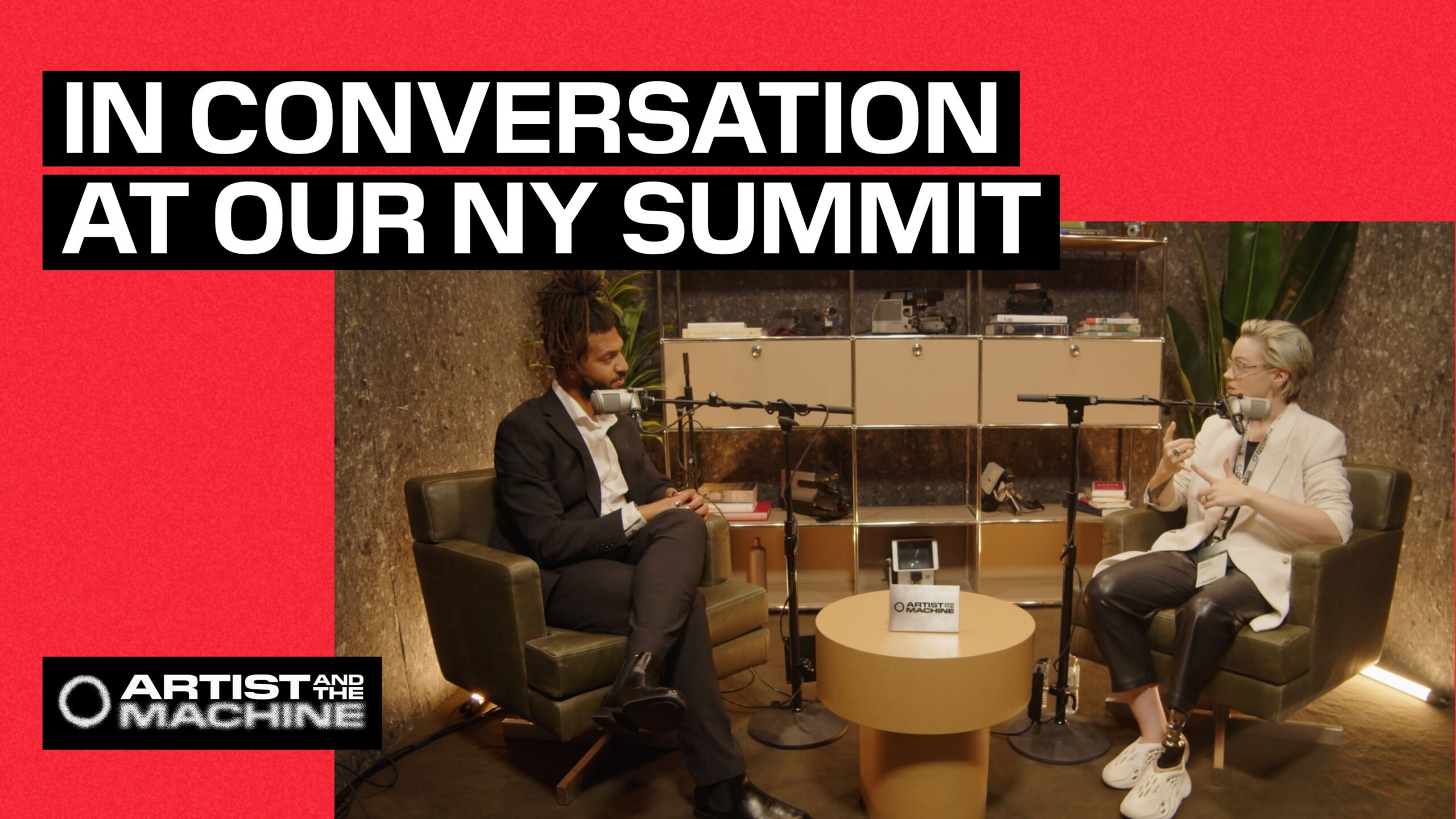
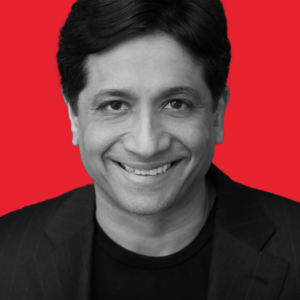
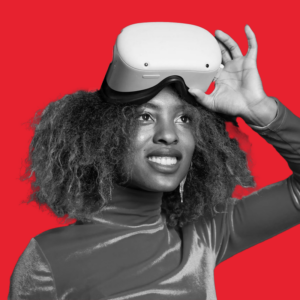
Before the future is built, it must be imagined. In a deeper dive at our New York Summit, Viktoria Modesta and Don Allen Stevenson III explore embodiment, identity, design, and the uncharted space between generated bodies and lived experience.
Modesta, an artist and researcher working at the limits of human augmentation, from prosthetics-as-fashion to body design for microgravity, pushes back on the dominant transhumanist script of leaving the body behind. Her counter-proposal is multidimensional: fold in medical advancement, ancient tradition, and reality-based imagination. The conversation explores embodied cognition, the understanding that intelligence is not seated in the head but distributed through the whole body — a useful corrective in a moment obsessed with disembodied minds.
LA Summit
As conversations are accelerating, the next room is taking shape, with even more in store. This December, Artist and the Machine returns to Los Angeles, bringing together the people building the future of art, technology, media, design, film, music, and culture. Early bird tickets are now live, details on our new Studio Day coming soon, but of course you get the sneak peek first.
Pulse
-
Music Gets an AI Label: The RIAA, IFPI, the Grammys, and the major streamers launch voluntary “AI-generated” and “AI-assisted” tags, making human authorship visible infrastructure.
-
Meta Backs Off Your Likeness: TechCrunch reports Meta killed its Instagram Muse @-mention feature days after launch, after users and CAA objected to photos becoming generative source material without consent.
-
Microdramas That Talk Back: Character.AI’s new (c.ai) series lets viewers chat with the cast of its studio-made vertical shows, blurring watching a character and living alongside one.
If you’re creating something aligned with Artist and the Machine or you’d like to recommend work shaping this space, we’d love to see it for the chance to be featured. Reach out to us at community@artistandthemachine.com.
Til next time,
Artist and the Machine.
xx

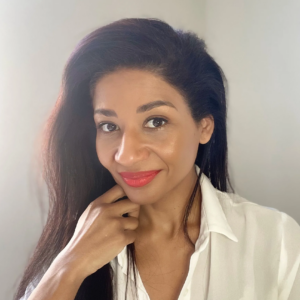
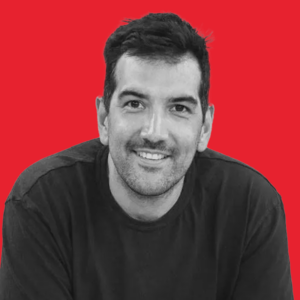
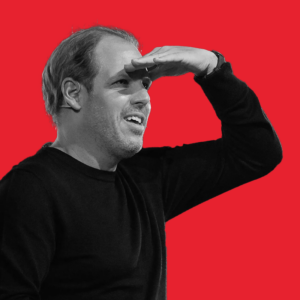









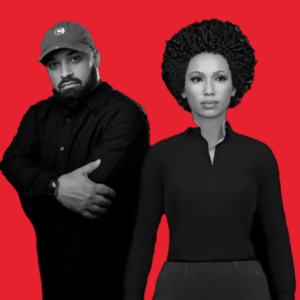
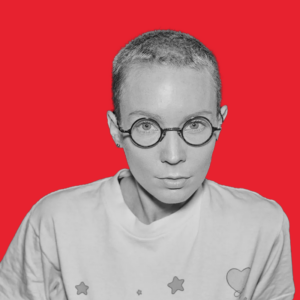
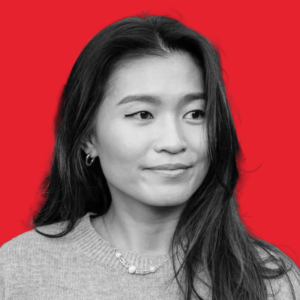



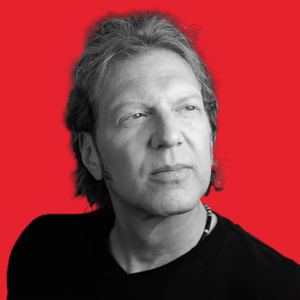

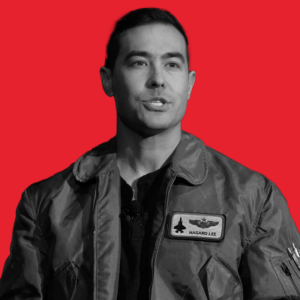

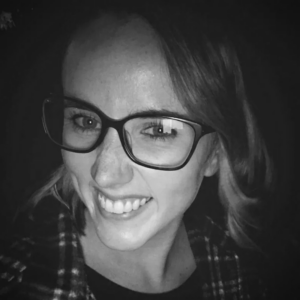












 Paige Piskin is an award-winning AI and XR creator, known for pushing the boundaries of digital makeup, character design, and augmented reality experiences. With AR effects generating more than 300 billion impressions, shared 2 billion times, Paige has worked with major brands like Netflix, Bratz, Warner, and Coldplay, bringing immersive storytelling to life. She has also been a guest judge for Netflix, consultant, and 2x hackathon winner, recognized for her innovative work in AI-driven AR experiences. Paige is passionate about blending generative AI with character design, expanding the possibilities of digital self-expression and interactive storytelling.
 Claire Silver is an anonymous AI-Collaborative artist that works with oil, acrylic, collage, photography, and different digital mediums to create her work. She often blends the classical style and mythos into her art, collaboratively producing work that feels at once familiar and strange. Her work explores themes of innocence, trauma, the hero’s journey, and how our view of them will change in an increasingly transhumanist future. Claire’s art can be found in the permanent collection of the Los Angeles County Museum of Art, has been at Sotheby’s London and Christie’s New York and in galleries, museums, and festivals all over the world. Featured in the New York Times, WIRED, Fortune, NPR, and countless podcasts, Claire takes every opportunity to explore her unending fascination with AI, fight for visibility for this budding art movement, and wonder at the magnitude of this moment in history. She often feels like a caveman painting fire. Claire is vocal in her belief that with the rise of AI, for the first time, the barrier of skill is swept away and that in this evolving era, taste is the new skill.