
Not IP Versus AI, But IP For AI
Theme
Creative industries are sorting into two camps on AI, and the fault line is usually described as ethical – artists who oppose it versus technologists who embrace it. However, the difference between these stances is almost entirely structural.
Netflix is reportedly paying up to $600 million for InterPositive, Ben Affleck’s AI filmmaking tools startup, which is built on the premise that a filmmaker’s existing production assets can train a model that then extends their creative control in post. That is a bet that AI, when built around a creator’s own work, creates rather than extracts value.
Signal
Most creative IP was built for a world where copying required effort and resemblance required intent. AI changes both assumptions. Recently, Higgsfield launched a similarity-scoring tool that flags AI-generated content for resemblance to celebrity likenesses, characters, and cinematic signatures. Meanwhile WGA seeks payment for AI training on on writers’ scripts. Both are acknowledgments that the gap between generation and infringement has narrowed enough to necessitate new ways to track and monetize IP.
The InterPositive model points to one version of a solution: a filmmaker’s dailies become the training data for a model that serves their own creative vision. The IP doesn’t get consumed, but rather, extended. That is a fundamentally different relationship between creative work and AI than the one that has driven most of the industry’s anxiety.
The creators who figure this out first will be the ones who upgrade their IP to integrate AI, making it legible, licensable, and participatory in the value it generates. Those opposed to AI are mostly opposed to a specific condition: extraction without recognition or compensation. This is territory we’ve charted before with the advent of new mediums such as cinema, television, streaming, and mobile. Each unlocked new distribution and markets for IP that existing frameworks weren’t built to handle.
Summit
Before there was code, before there was canvas, there was scent — the original (invisible) art. A single fragrance can arouse desires, settle nerves, revive a precious memory, or elevate a task to a ritual. A profoundly human art that has uplifted lives since the dawn of civilization is now meeting the most disruptive technological moment in history.
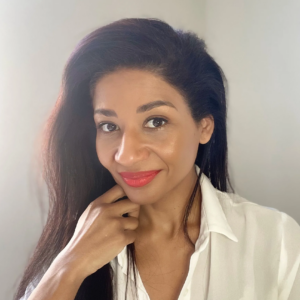
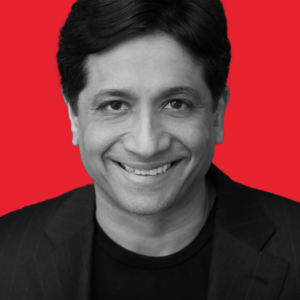
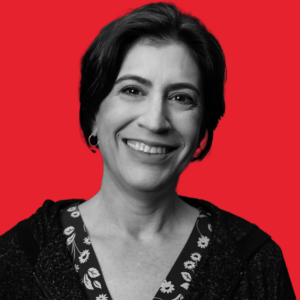
Fragrance Creators Association is joining the AI & Creativity Summit in New York as a sponsor, and their President & CEO Farah Ahmed is taking our stage.
A biochemist, attorney, and industry strategist, Farah built her career at the edge of what’s possible and what’s permissible, leading a collective of the world’s most inventive companies, shaping policy in Washington to accelerate innovation, and advising international trade stakeholders on how to expand fragrance markets across a shifting geoeconomic landscape. She runs the organization that gives a multibillion-dollar fragrance industry its voice, and she’s coming to our stage with a provocation: what happens when humanity’s most sensory art form collides with its most powerful new tool?
Fragrance Creators Association represents the scent industry at the intersection of art, science, and human experience, championing an industry transforming chemistry into identity and culture.
Pulse
-
WIPO Launches Artificial Intelligence Infrastructure Interchange: A new initiative for expert dialogue on IP and AI issues that will focus on technical and operational issues.
-
ElevenLabs artist Harry Yeff explores agentic voice systems: Translating ecological data into conversational experience to frame a new category of expressive AI.
-
Okara launches world’s first AI CMO: Where users input website details and a team of agents deploys to drive traffic and user growth.
We hope to see you in NY on May 14, 2026, where we will continue these conversations on the forefront of AI and Creativity:
If you’re creating something aligned with Artist and the Machine or you’d like to recommend work shaping this space, we’d love to see it for the chance to be featured. Reach out to us at community@artistandthemachine.com.
Til next time,
Artist and the Machine.
xx


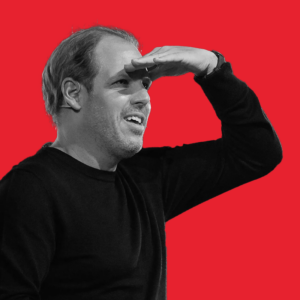



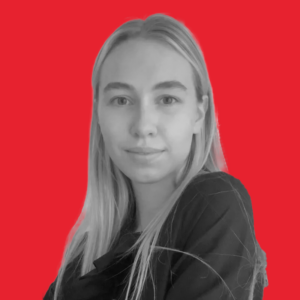




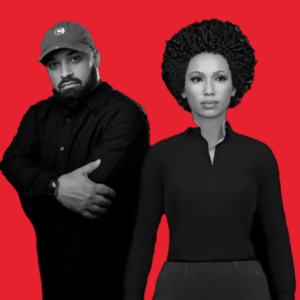
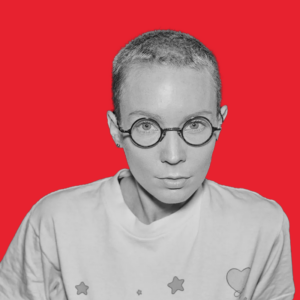
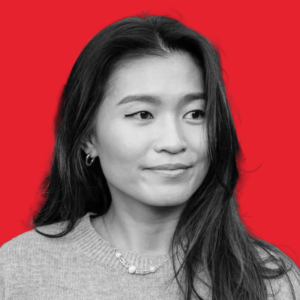


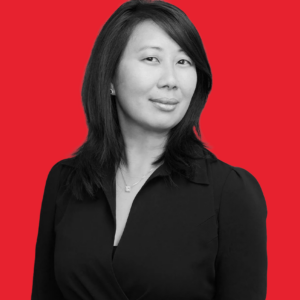
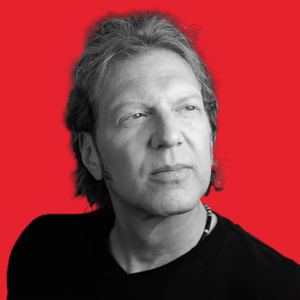
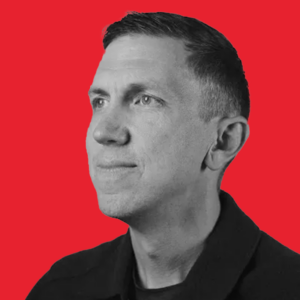
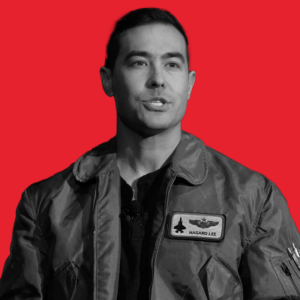








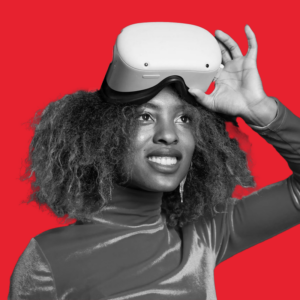

 Paige Piskin is an award-winning AI and XR creator, known for pushing the boundaries of digital makeup, character design, and augmented reality experiences. With AR effects generating more than 300 billion impressions, shared 2 billion times, Paige has worked with major brands like Netflix, Bratz, Warner, and Coldplay, bringing immersive storytelling to life. She has also been a guest judge for Netflix, consultant, and 2x hackathon winner, recognized for her innovative work in AI-driven AR experiences. Paige is passionate about blending generative AI with character design, expanding the possibilities of digital self-expression and interactive storytelling.
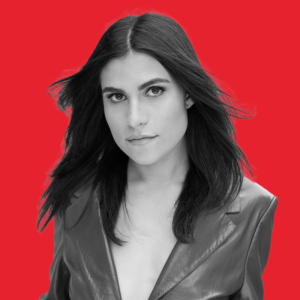
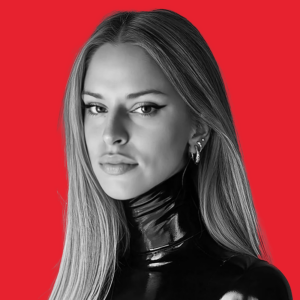
 Claire Silver is an anonymous AI-Collaborative artist that works with oil, acrylic, collage, photography, and different digital mediums to create her work. She often blends the classical style and mythos into her art, collaboratively producing work that feels at once familiar and strange. Her work explores themes of innocence, trauma, the hero’s journey, and how our view of them will change in an increasingly transhumanist future. Claire’s art can be found in the permanent collection of the Los Angeles County Museum of Art, has been at Sotheby’s London and Christie’s New York and in galleries, museums, and festivals all over the world. Featured in the New York Times, WIRED, Fortune, NPR, and countless podcasts, Claire takes every opportunity to explore her unending fascination with AI, fight for visibility for this budding art movement, and wonder at the magnitude of this moment in history. She often feels like a caveman painting fire. Claire is vocal in her belief that with the rise of AI, for the first time, the barrier of skill is swept away and that in this evolving era, taste is the new skill.