

To Extend Your Artistic Vision: Just Vibe
At Artist and the Machine’s LA Summit, something unusual happened: two artists walked onstage and presented software they had built just by talking. No code, no wireframes, no dev tickets, just vibe coding.
It was one of the first public demonstrations of artists creating full digital experiences through conversation alone. With Lovable’s platform, Shantell Martin and Moral Turgeman showed how a dialogue can spin an entire ecosystem into reality.

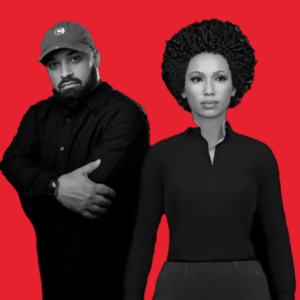
Mindaugas Petrutis, Moral Turgeman and Shantell Martin
Artist and the Machine conceived the session as an experiment in creative possibility: what happens when artists are given tools that respond at the speed of imagination? Bringing Lovable and the artists together was an attempt to test whether creative vision could scale without losing authenticity.
“When Dani initially reached out, I was hesitant, because the art of these two incredible people is so specific, so intimate, so unique, that I was curious, and also a little afraid,” explained Mindaugas Petrutis, Influencer Marketing Lead at Lovable. “It is very different to build a product or solve an internal workflow with Lovable than to essentially create a digital extension of an artist’s physical work.”
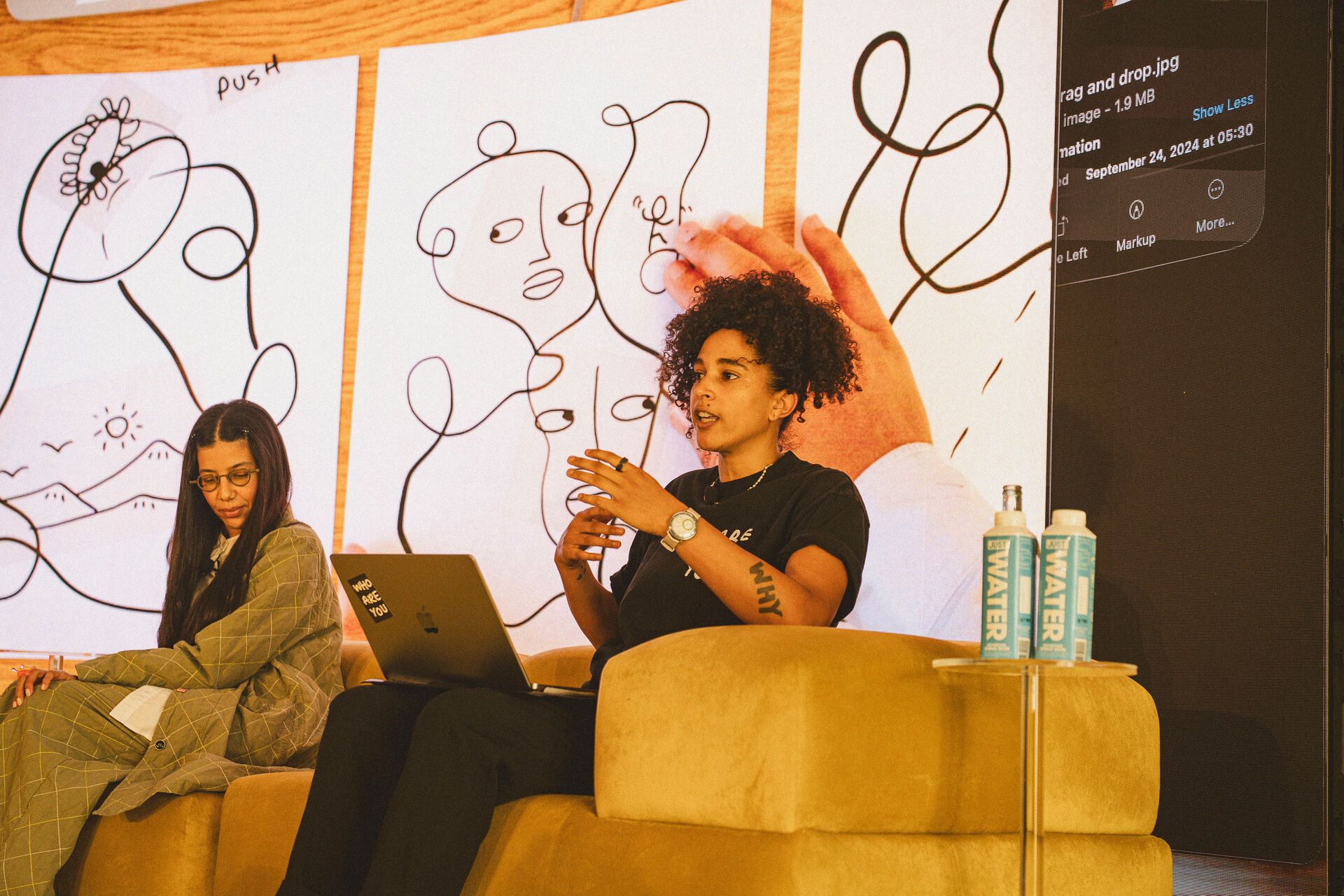
Shantell Martin takes us through ‘Drag, Drop, and Draw’
That hesitation underscored the core challenge, one Shantell Martin had wrestled with for a decade. She had long envisioned an interactive platform where anyone could remix her black‑and‑white line drawings, but even working with designers and UX experts, one critical feature never worked.
“Ten years ago, I thought, ‘What if I give people the opportunity to remix and create their own Shantell Martin drawings, using some of the recurring elements from my work?’ We’d spend a lot of money testing, do a lot of research, and then it wouldn’t get anywhere.”
Then, over the course of a few weeks, using Lovable, she built it herself.
For Martin, that meant finally bringing her drag‑and‑drop drawing app to life. The platform allows anyone to create drawings using her recurring elements: faces, birds, trees, words.
Technical hurdles that once required endless back‑and‑forth conversation with developers now resolved instantly. “Something that before would have been twenty emails, you can just fix in a second,” she said. She even built a drawing app within her app.

Mindaugas Petrutis and Moral Turgeman discuss The Blind Portrait.
Turgeman’s project presented a more complex challenge. Since 2017, she’s been creating intuitive portraits of strangers in forty‑five seconds with a single hand-drawn line; a quest to gaze into 10,000 pairs of eyes. But managing that volume of data seemed impossible.
“When I think about creating art focused on 10,000 people, and how to bring 10,000 people together around the project, how do I interact with and log all of this information?” Turgeman said. “Lovable brought all of these parts together for me.”
The resulting platform includes a member portal, an admin dashboard, interactive games, and a feature where users can create blind self‑portraits using their phone’s camera, something she never thought feasible. What surprised her most was the interaction itself. “I’d never spoken to an AI [platform] before. I’ve only typed,” she said. “Speaking directly to it elevated the way it responded. You speak differently than when you type. It just comes out more naturally.”
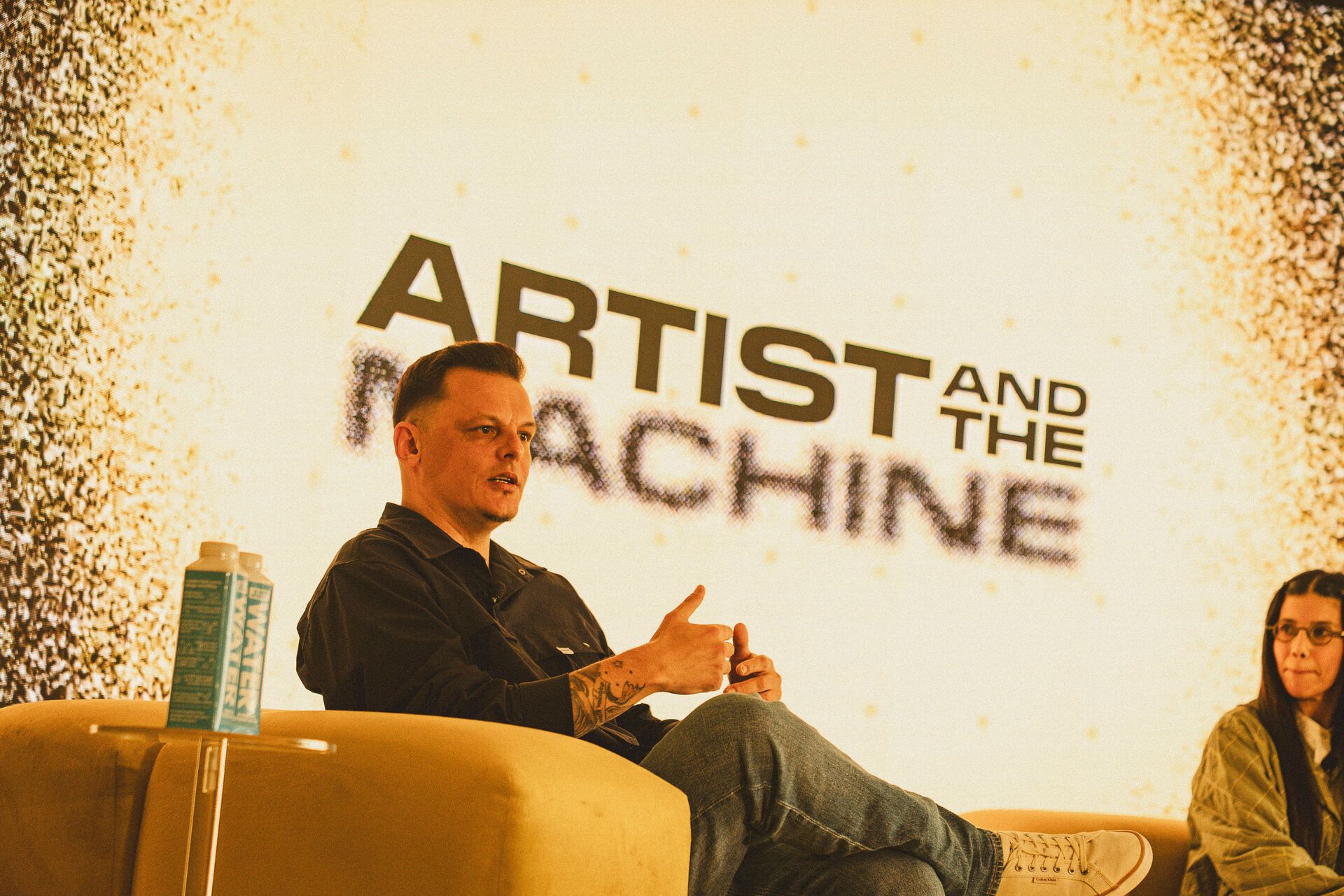
Mindaugas Petrutis, Lovable.
The result was a more direct extension of her vision. “These experiences could cost a hundred thousand dollars to build with a team,” Petrutis noted. “But beyond the money, you lose some of the creative part when you hand it off to somebody else. At no point did either of these artists say ‘This doesn’t feel like me’.”
For Martin, much of Lovable’s magic lies in being able to brief the project directly and then build, making small adjustments herself. She begins by outlining the tone and feel she wants, then continuously iterates. “You can start by describing your project holistically,” she explains. “And from there, you have a conversation.”
“This was a once-in-a-lifetime collaboration,” said Petrutis. “I’m completely blown away by what was created.”
GET READY, NEW YORK! PRE-SALE BELOW!
🗞️ News Highlights
-
Don’t expect a chat bot to win the Nobel Prize in literature… yet: A recent paper by David Cropley, a Professor of Engineering Innovation at the University of South Australia, published in the Journal of Creative Behavior posits that AI models don’t come close to displaying the imaginative chops of top-tier creative professionals.
-
Too many tools equates to too much lost time: A new report from Dropbox details how creatives are working at suboptimal efficiency because they have to shuffle between different AI tools. The report notes that 95% of creative professionals now use AI, but that they juggle on average between 14 different tools which makes for a hurdle to meeting deadlines.
Send us your latest
We welcome news tips on exceptional projects, creative work, research, or tools. If something lights your 🔥we want to know. Write to us at community@artistandthemachine
🛜 Follow @artistandthemachine
Remember to follow us on Instagram and LinkedIn as we get closer to our AI & Creativity summit in New York in 2026.
Til next time,
Dani Van de Sande (Founder) & the Artist and the Machine team.
ARTIST AND THE MACHINE is a free newsletter featuring the latest in AI x culture. Subscribe so you never miss an issue, and if you liked it, share with 1-2 friends.
xx

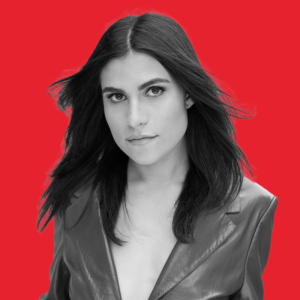

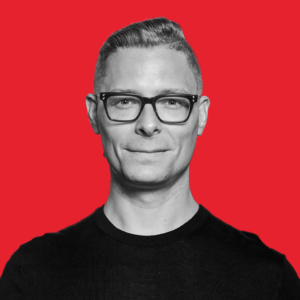
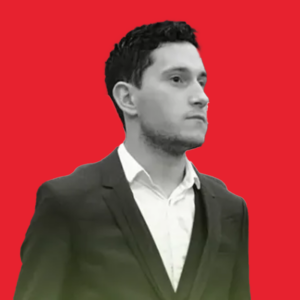
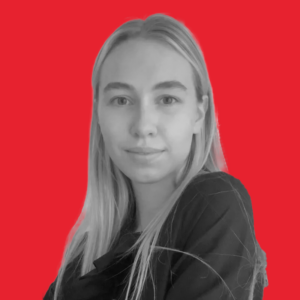

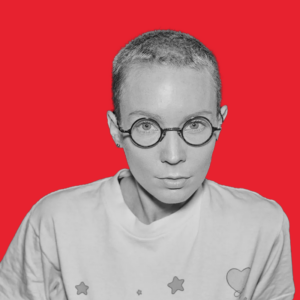
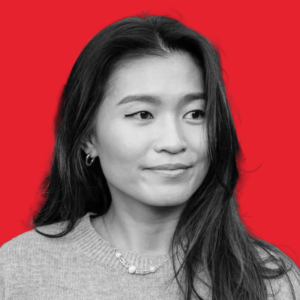
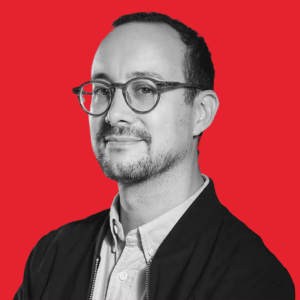
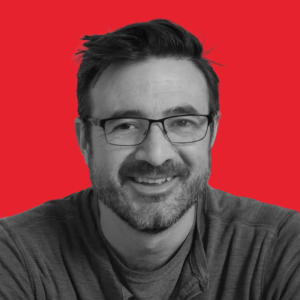
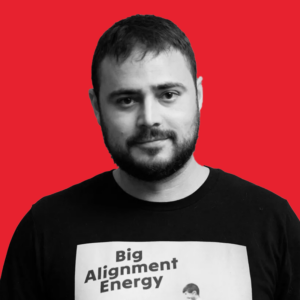
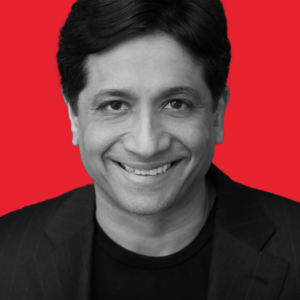
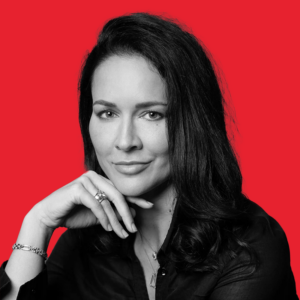


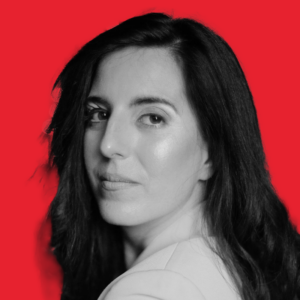
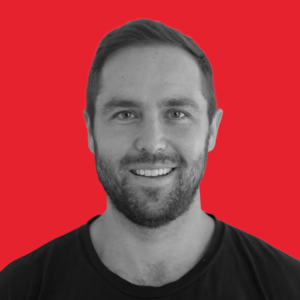
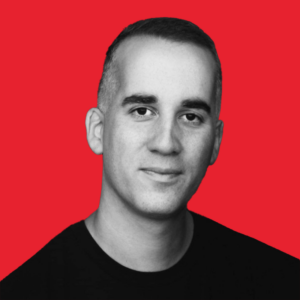
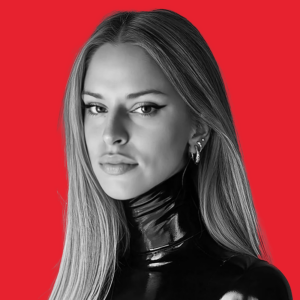 Paige Piskin is an award-winning AI and XR creator, known for pushing the boundaries of digital makeup, character design, and augmented reality experiences. With AR effects generating more than 300 billion impressions, shared 2 billion times, Paige has worked with major brands like Netflix, Bratz, Warner, and Coldplay, bringing immersive storytelling to life. She has also been a guest judge for Netflix, consultant, and 2x hackathon winner, recognized for her innovative work in AI-driven AR experiences. Paige is passionate about blending generative AI with character design, expanding the possibilities of digital self-expression and interactive storytelling.
 Claire Silver is an anonymous AI-Collaborative artist that works with oil, acrylic, collage, photography, and different digital mediums to create her work. She often blends the classical style and mythos into her art, collaboratively producing work that feels at once familiar and strange. Her work explores themes of innocence, trauma, the hero’s journey, and how our view of them will change in an increasingly transhumanist future. Claire’s art can be found in the permanent collection of the Los Angeles County Museum of Art, has been at Sotheby’s London and Christie’s New York and in galleries, museums, and festivals all over the world. Featured in the New York Times, WIRED, Fortune, NPR, and countless podcasts, Claire takes every opportunity to explore her unending fascination with AI, fight for visibility for this budding art movement, and wonder at the magnitude of this moment in history. She often feels like a caveman painting fire. Claire is vocal in her belief that with the rise of AI, for the first time, the barrier of skill is swept away and that in this evolving era, taste is the new skill.